




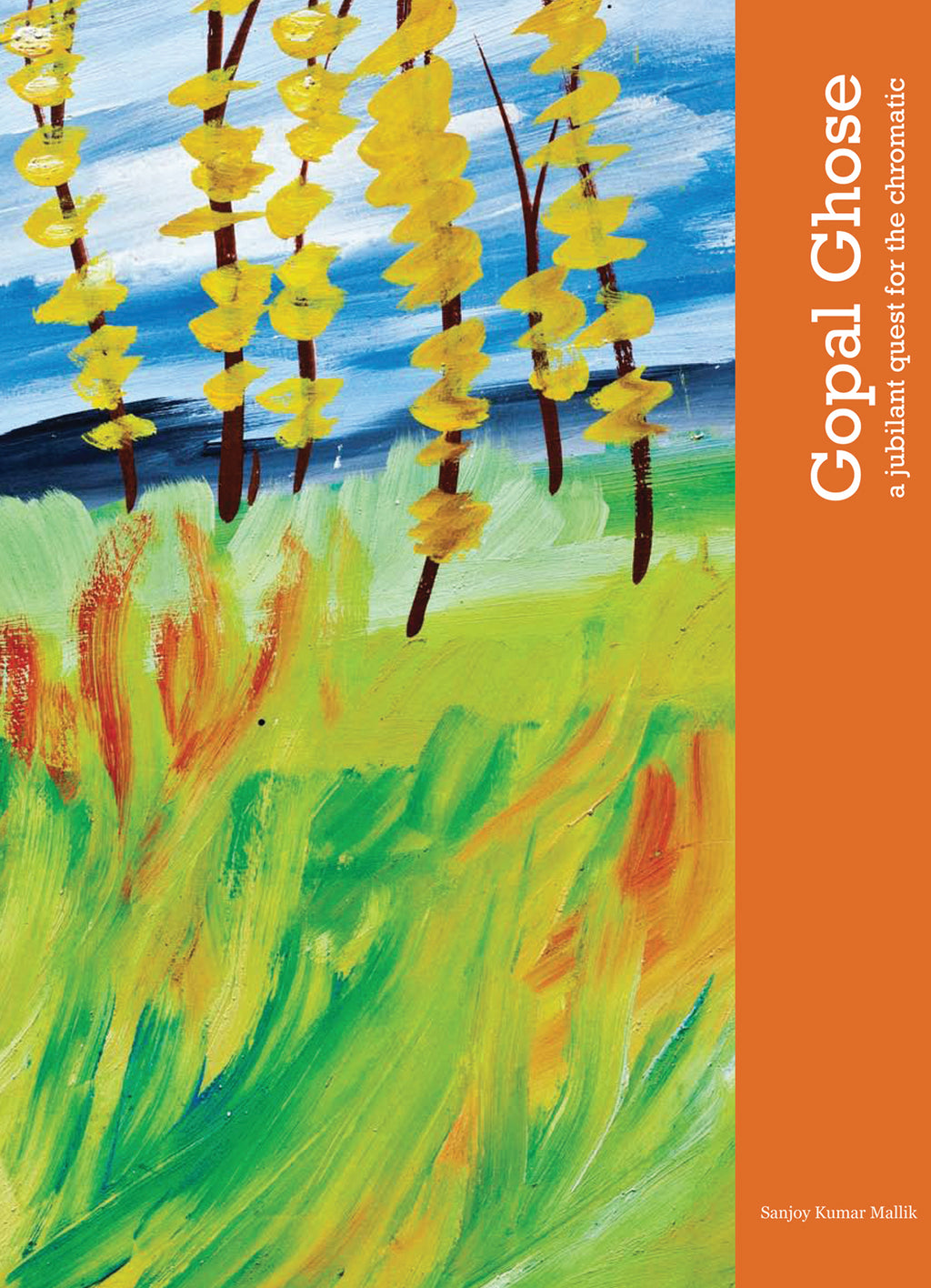
Gopal Ghose
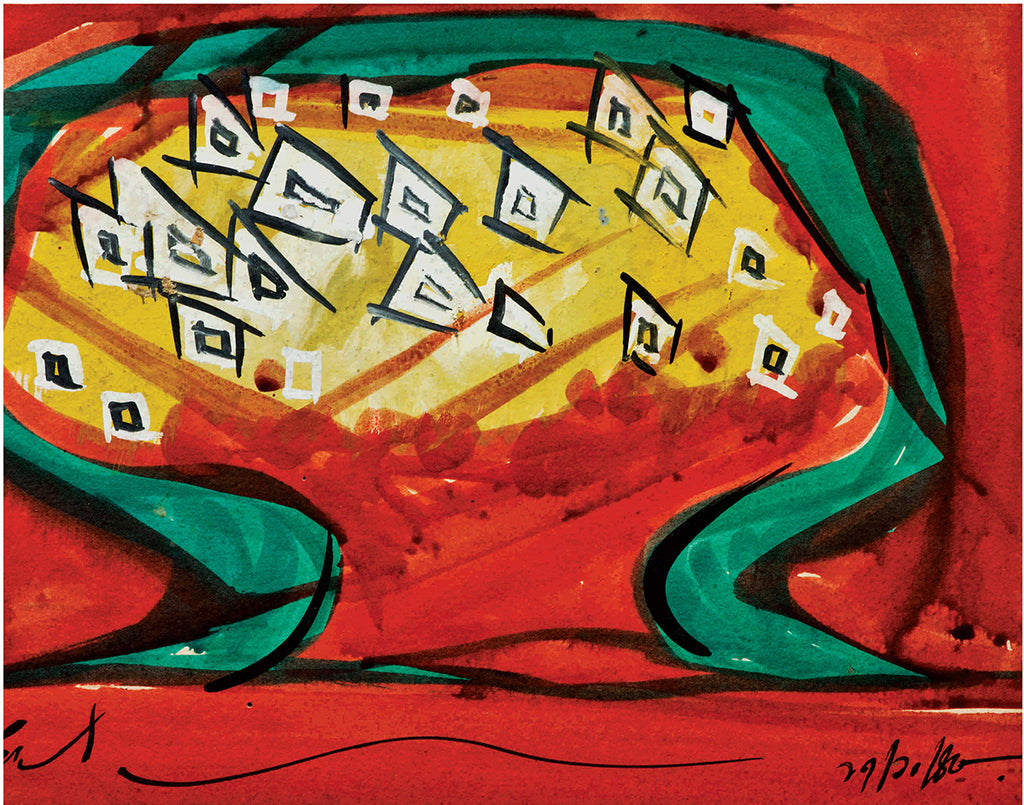
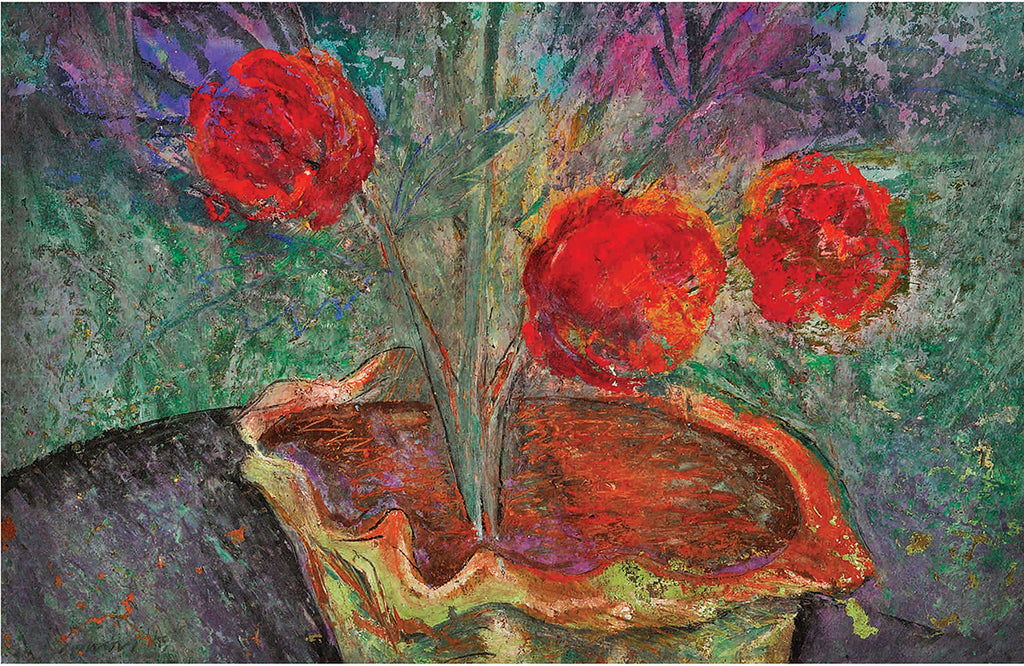
a jubilant quest for the chromaticGopal Ghose, born on 5 December, 1913 in Shyambazar (Kolkata), spent his childhood and adolescence shifting between Simla, Benares and Allahabad, since his father was recruited in the army.
- Category: All Books, Contemporary Art, MAPIN20, Out of print
Gopal Ghose received appreciative recommendations from renowned personalities including Rabindranath Tagore, Abanindranath Tagore, Nandalal Bose and Stella Kramrisch.
In 1956, he was one of the participants in a collective project involving designs by Contemporary Asian Artists engraved on Steuben Crystal exhibited at National Gallery of Art, Washington and the Metropolitan Museum of Art, New York. In 1963, he went on a tour of the USA as part of the Foreign Leader programme of the Bureau of Education and Cultural Affairs, US Department of State. In 1979, he was invited to attend a round table meeting with the Governor of Bengal, Mr. T.N. Singh at Raj Bhavan, Kolkata.
Diagnosed with lung-cancer, he was under medical care, but breathed his last on 30 July, 1980.
(Dr). Sanjoy Kumar Mallik, presently Associate Professor and Head of the Department, Department of History of Art at Kala Bhavana, Visva Bharati (Santiniketan), completed his graduate studies in painting from Kala Bhavana and his post-graduate studies and doctoral research in art history from the Department of Art History & Aesthetics, Faculty of Fine Arts, M.S. University of Baroda.
While his master’s level dissertation explored the pictorial language and narrative structure in 17th century ‘Malwa’ miniatures, his doctoral thesis addressed the issue of the ‘modern’ in Bengal, for the transitory decade of the 1940s, situating the trajectory of the visual arts in a contextual relationship with other forms of cultural expression.
During the course of his doctoral research project, on the one hand, he investigated the confluence of political movements and cultural manifestations in the context of the infamous “famine” of 1943-44 in Bengal. On the other hand, the project addressed the avowed inclinations towards a modernist linguistic choice in the phenomenon of the Calcutta Group. His interest in the oeuvre of Gopal Ghosh was reaffirmed during this project.
Sanjoy Mallik’s research interests trace a varied course from traditional Indian art to the issues of contemporary practice, and his essays have appeared in the art history journals Nandan (Visva Bharati), Bichitra (Rabindra Bharati University, Kolkata) and the Lalit Kala Contemporary (New Delhi). He has contributed a modest section on the art of the 1940s to the publications Indian Art: An Overview (Ed. Gayatri Sinha; Rupa & Co., New Delhi, 2004), and Art and Visual Culture in India: 1857–2007 (Ed. Gayatri Sinha; Marg Publications, Mumbai, 2009). He was invited by the Lalit Kala Akademi to curate an exhibition of works by young Indian artists, christened To opt is to commit, which was held at the Saad Zaghloul Cultural Centre, Cairo in November 2008. His monograph on the recent works of the faculty members of Kala Bhavana is titled Negotiating tradition/navigating the present (Visva Bharati, Santiniketan 2010).
His recent curatorial project culminated in a retrospective exhibition of the artist Chittaprosad, in which the painter’s life-time output was thoroughly documented in a five-volume publication that included a two-volume monograph, two facsimile reproductions of the artist’s sketchbooks, and a book of translation of select letters by the artist (“Chittaprosad”, Delhi Art Gallery, New Delhi, August 2011).
• Note from Akar Prakar
• Gopal Ghose by Sanjoy Kumar Mallik
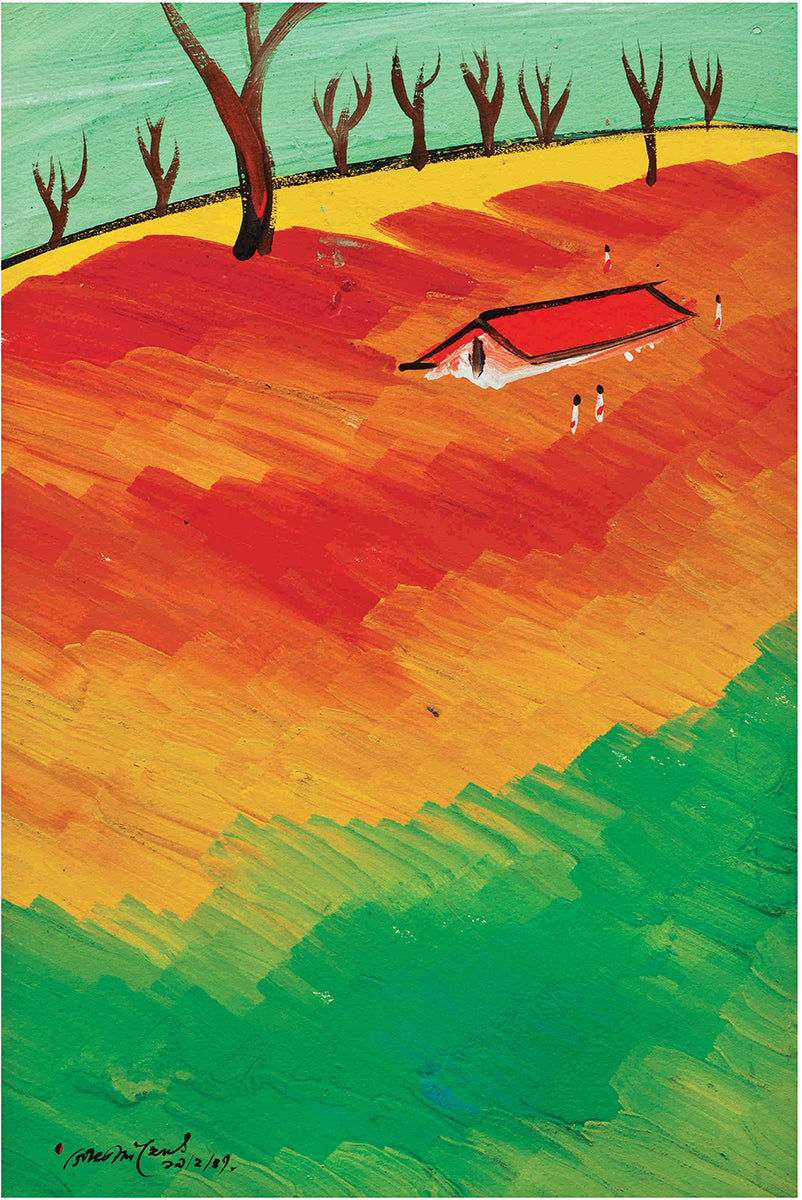
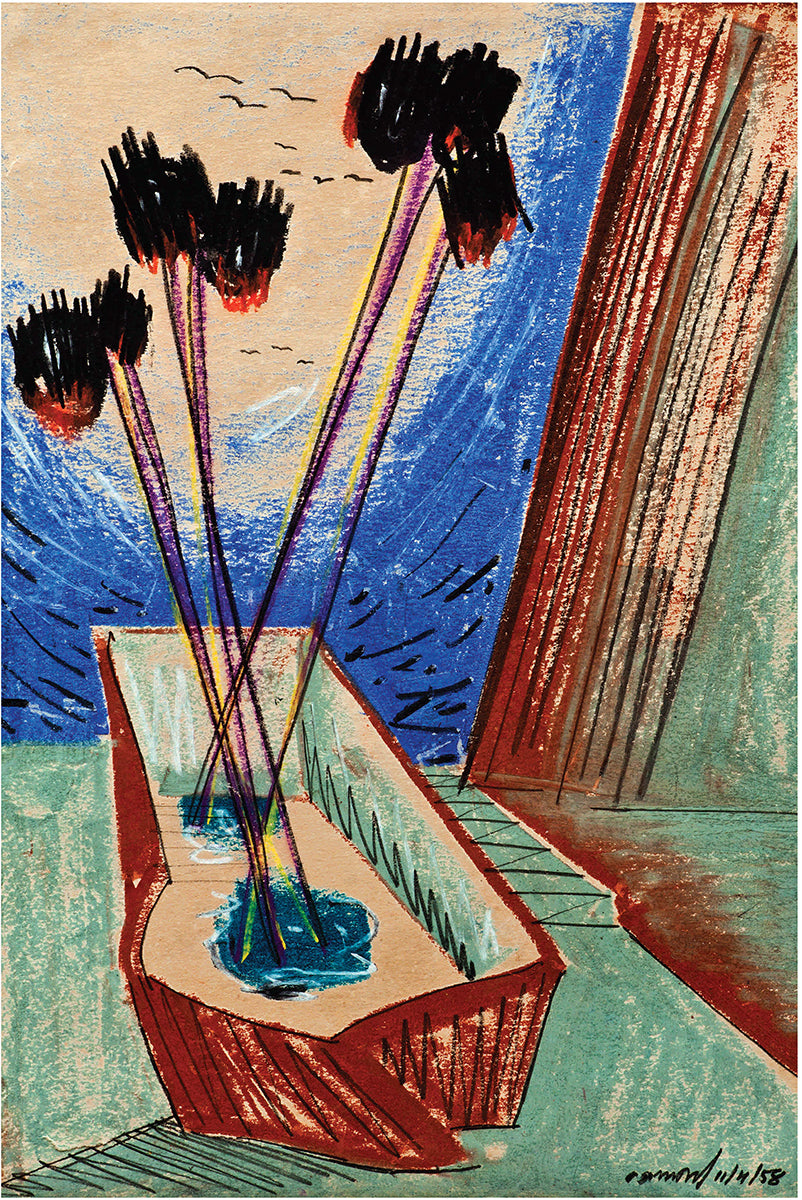
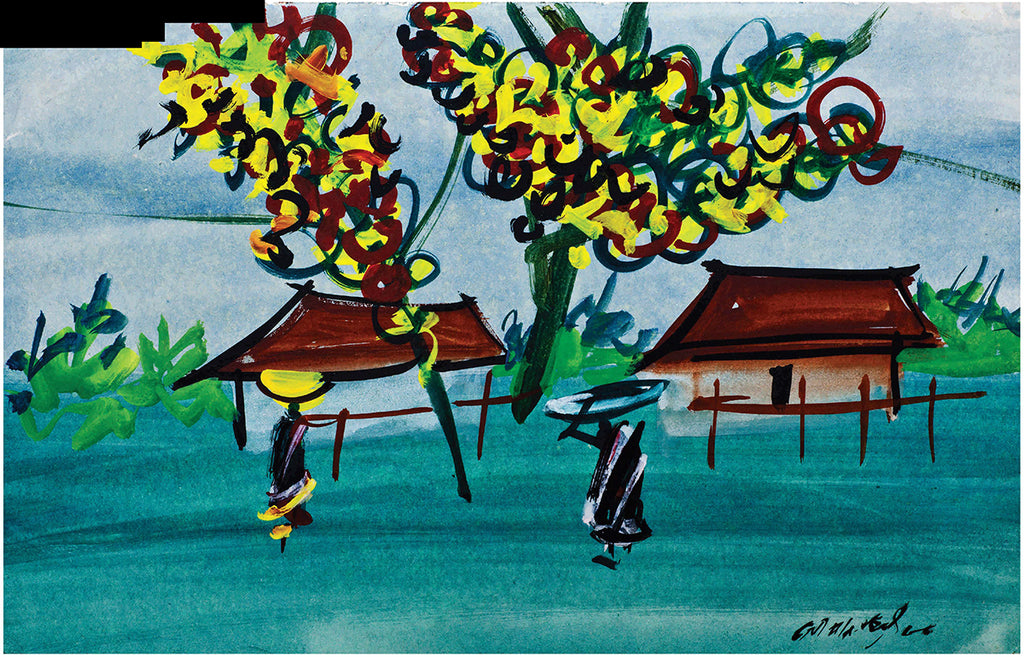
• Paintings - 1930s & 1940s
• Gopal Ghose: by Prodosh Dasgupta
• Paintings - 1950s & 1960s
• Colours of Life: by Prasanta Daw
• Paintings - 1970s & 1980s
• Recollecting Gopal Ghose: by Purnima Sinha
• Timeline
• Select Documents & Sketchpads by Gopal Ghose
• Acknowledgements
| ISBN | 9788189995782 |
| Pages | 224 |
| Number of illustrations | 316 |
| Size | 9 x 12" (229 x 305 mm), hc |
| Date of Publishing | 2013 |
| Language(s) | English |
| Co-publisher(s) | Mapin in association with National Gallery of Modern Art, New Delhi, and Akar Prakar |
| Rights Available | World rights |